Zone 2 Cardio: The Missing Piece in Sustainable Fat Loss

When most people think about exercise for weight loss, they imagine intense workouts, boot camps, or long runs. While those workouts have their place, one of the most powerful—and often overlooked—tools for metabolic health is actually moderate-intensity movement known as Zone 2 cardio.
Zone 2 refers to a heart rate range where your body is working efficiently, but not under excessive stress. In this zone, your body primarily uses fat as fuel, rather than relying heavily on carbohydrates.
For most people, this falls around 60–70% of your maximum heart rate (a simple estimate: 220 minus your age, then take 60–70% of that number).
You should feel:
Slightly breathless, but still able to hold a conversation
Warm, but not exhausted
Like you could sustain the pace for a long period of time

Why Zone 2 Matters (Especially for Hormone & Metabolic Health)
Zone 2 training supports the health of your mitochondria—the energy centers inside your cells. When mitochondria function well, your body becomes more efficient at:
Burning fat for fuel
Stabilizing blood sugar
Producing steady, sustainable energy
Reducing inflammation
Supporting hormonal balance
For many of our clients—especially those navigating perimenopause, menopause, or using GLP-1 medications—this matters more than intensity.
High-intensity workouts can sometimes:
Increase cortisol (stress hormone)
Lead to burnout or inconsistency
Be difficult to sustain when appetite and energy are lower
Zone 2 meets your body where it is. It supports fat loss without over-stressing your system.
While Zone 2 supports fat metabolism, it works best when paired with the second pillar of metabolic health: strength training.

What Counts as Zone 2?
The activity itself matters less than the intensity.
Examples include:
Brisk walking
Incline treadmill walking
Cycling at a steady pace
Rowing
Light jogging
How to Get Started (Simple + Sustainable)
If you’re new or rebuilding consistency, start here:
3–4 sessions per week
30–45 minutes per session
Beginner option:
Start with 20 minutes and build up
Even 10-minute walks after meals count and support blood sugar
Pro tip: Use the talk test—if you can speak in full sentences, you’re likely in Zone 2.
What You Should Be Doing During Zone 2
This is where many people get it wrong—they either push too hard or disengage completely.
Instead, aim for intentional, steady effort:
Maintain a consistent pace (avoid spikes and drops)
Keep posture strong (especially on treadmill or walking)
Breathe rhythmically (in through the nose when possible)
Stay just below heavy exertion
Think: “I’m working, but I’m not struggling.”

Nutrition to Support Zone 2 + Fat Loss
Zone 2 works best when paired with stable blood sugar and adequate protein.
Focus on:
Protein at every meal (20–30g minimum)
Healthy fats to support satiety and hormones
Fiber-rich carbs (vegetables, berries, whole foods)
Hydration + electrolytes
Avoid:
Skipping meals (can increase cortisol and reduce metabolic efficiency)
Over-restricting calories (especially on GLP-1s)
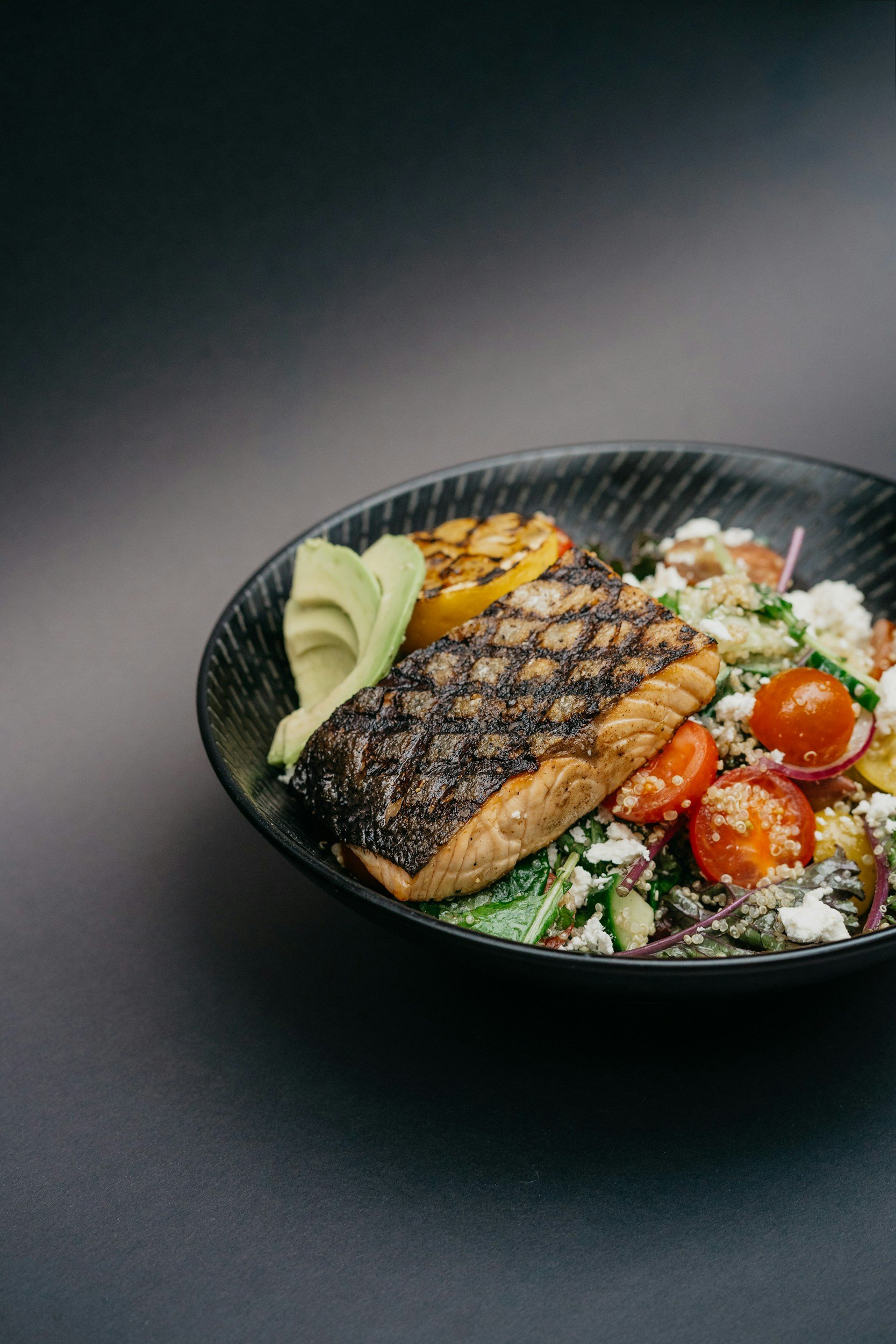
Simple Metabolic Support Meal Idea
Hormone Supportive Salmon Bowl
Ingredients:
Grilled or baked salmon (rich in omega-3s for inflammation + hormones)
Quinoa or cauliflower rice
Mixed greens or arugula
Avocado
Roasted vegetables (broccoli, zucchini, peppers)
Olive oil + lemon + sea salt
Why this works:
Protein supports muscle and metabolism
Healthy fats stabilize blood sugar and support hormones
Fiber improves gut health and satiety
The Bigger Picture
Zone 2 is not about doing more — it’s about doing what your body can actually sustain.
It builds:
Metabolic flexibility
Long-term fat-burning capacity
Consistency (the most important factor of all)
And when paired with strength training (which we’ll cover next), it becomes one of the most powerful combinations for preserving muscle and optimizing body composition.
Optional Support: Building Your Zone 2 Foundation with Supplements
Supplements are not the foundation of fat loss — but when used strategically, they can support energy, recovery, and metabolic function, especially when appetite, nutrient intake, or consistency are lower.
At Vitality Collective, we think about supplements the same way we think about exercise: Start simple. Build intentionally. Stay consistent.
Step 1: Start with Daily Nutrient Support
1st Phorm Daily Stack
A foundational daily stack combining multivitamin, greens, and essential nutrients for overall health support.
This is your baseline coverage — especially important for clients who:
Are eating less (common with GLP-1s)
Have inconsistent nutrition
Need support for energy, immunity, and recovery
It combines greens, micronutrients, and foundational support in one system, helping fill common gaps.

Step 2: Support Gut Health + Energy
1st Phorm Opti-Greens 50
A greens powder designed to support digestion, gut health, and natural energy.
Zone 2 training relies heavily on efficient energy production, and that starts in the gut.
This greens blend supports:
Digestion and nutrient absorption
Immune function
Natural energy and pH balance
This is especially helpful if clients experience:
Bloating
Low energy
Irregular eating patterns
Step 3: Prioritize Protein for Fat Loss + Muscle Protection
1st Phorm Level-1 Protein
A high-quality protein powder to support muscle retention and metabolic health.
Zone 2 helps your body burn fat, but protein helps you protect muscle — and both are critical.
This becomes even more important for:
Clients on GLP-1 medications
Women in perimenopause or menopause
Anyone in a calorie deficit
Target:
20–30g protein per meal
Use protein powder when whole food intake is low

Step 4: Support Recovery, Sleep, and Nervous System
1st Phorm Magnesium Powder
A multi-source magnesium supplement supporting muscle recovery, sleep, and nervous
system balance.
Magnesium is one of the most common deficiencies and plays a role in:
Muscle relaxation and recovery
Sleep quality
Nervous system regulation
Blood sugar control
This is especially helpful if clients feel:
Tired but wired
Sore or tight after workouts
Struggling with sleep
How This Supports Zone 2 Specifically
When paired with Zone 2 training, this stack helps:
Improve mitochondrial function (energy production)
Stabilize blood sugar during longer sessions
Support recovery so clients stay consistent
Prevent muscle loss during fat loss
Not medical advice
This blog is for education only and is not medical advice. GLP-1 can interact with medications and medical conditions. Always talk with your licensed clinician before starting or changing a weight loss program—especially if you are pregnant, breastfeeding, managing a chronic condition, or taking prescription medications.
If you want more information or support, book a consultation with us - call 844-662-3288 or book online.