Month 3: Why Strength Training Matters During GLP Weight Loss

One of the most important goals during GLP-assisted weight loss is preserving lean muscle mass. While many people focus only on the number on the scale, maintaining muscle is essential for supporting long-term metabolic health, energy, strength, and weight maintenance.
Muscle is one of the body’s most metabolically active tissues. It helps regulate blood sugar, supports insulin sensitivity, contributes to overall metabolic rate, and plays a major role in physical resilience as we age. When muscle mass declines during weight loss, metabolism can slow, fatigue may increase, and maintaining results over the long term can become more difficult.
This is where strength training becomes incredibly important.
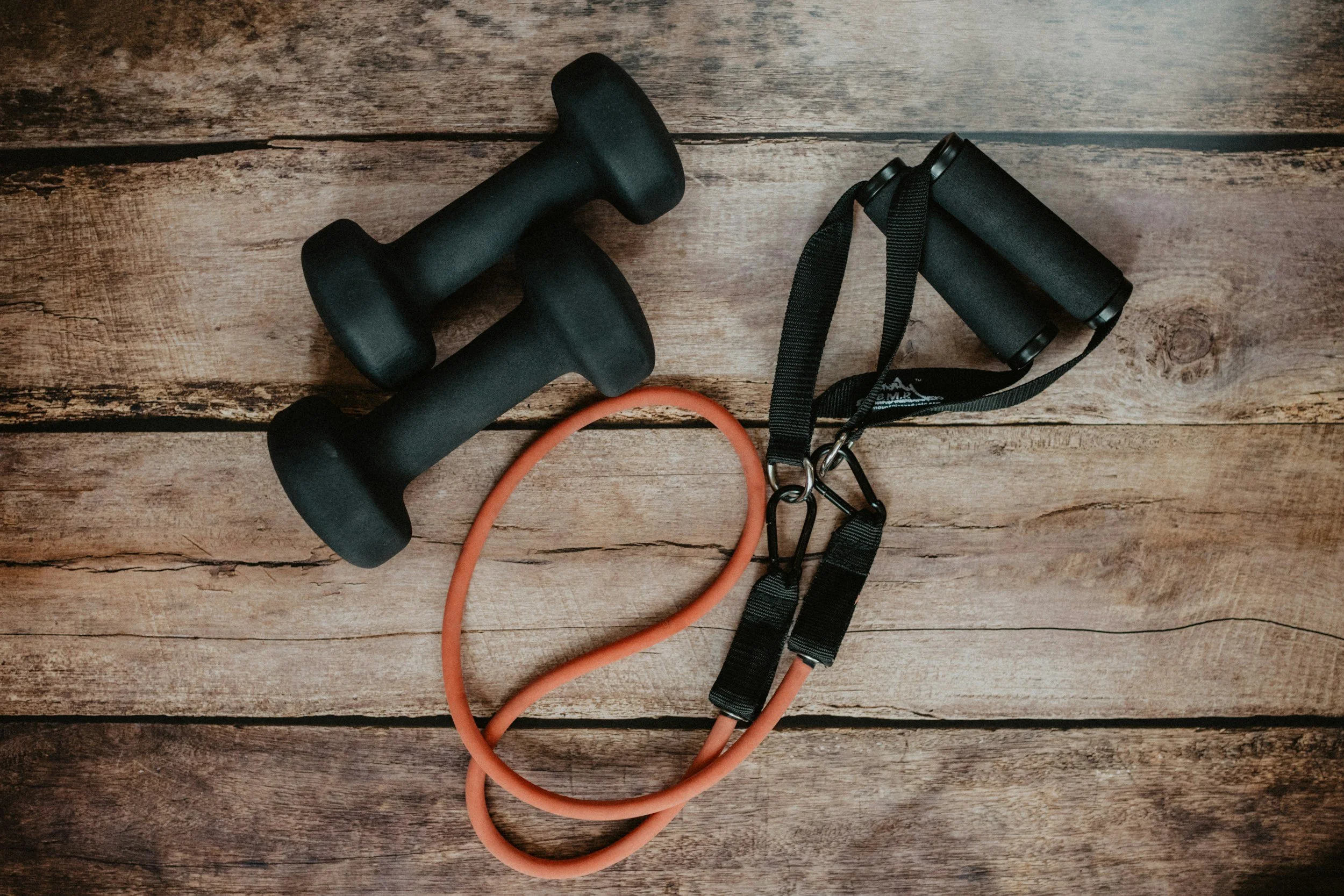
When the body is exposed to resistance — whether through weights, resistance bands, bodyweight exercises, or functional movement — the muscles receive a signal that they are still needed. This stimulus helps preserve lean tissue even during periods of caloric reduction and active fat loss.
For adults between ages 35 and 55, this becomes even more important, as natural age-related muscle loss can begin to accelerate during this stage of life. In women, especially, hormonal shifts during perimenopause and menopause can further impact muscle mass, metabolism, and body composition.
The goal is not bodybuilding or extreme workouts. The goal is consistency and sustainability.

Many people hear the words “strength training” and immediately picture heavy lifting or intense gym workouts. In reality, strength training can take many forms and should be individualized based on experience, mobility, comfort level, and fitness goals.
Strength training may include:
• Resistance bands
• Bodyweight exercises
• Dumbbells
• Pilates with resistance
• Weight machines at the gym
• Kettlebells
• TRX or suspension training
• Functional strength classes
Even beginner-friendly movements such as squats, step-ups, wall push-ups, lunges, and core stabilization exercises can provide meaningful benefits when performed consistently.
For clients who enjoy a more social or guided environment, group fitness classes can also be a great option. Classes that emphasize controlled movement, resistance, proper form, stability, and gradual progression are often the most supportive during weight loss.
Helpful class options may include:
• Pilates reformer classes
• Barre classes
• Functional strength classes
• Body sculpt classes
• Beginner weight training classes
• Low-impact strength circuits
• TRX classes
• Kettlebell classes

While cardio classes still support heart health and endurance, resistance-based movement should remain an important part of the overall exercise plan during GLP-assisted weight loss.
A simple and sustainable goal may include:
• 2–3 strength training sessions per week
• full-body workouts
• compound movements that engage multiple muscle groups
• gradual increases in resistance over time
Many clients notice benefits beyond weight loss, including improved posture, better joint stability, increased energy, greater confidence, better balance, and stronger overall physical resilience.
When strength training is paired with adequate protein intake, hydration, recovery, and regular Zone 2 movement, the body is far more likely to lose fat while preserving lean muscle tissue.
Most importantly, clients should remember that the best exercise program is not the most extreme — it is the one they can maintain consistently over time. Long-term consistency will always create better results than short periods of unsustainable intensity.

Sample Weekly Strength Training Schedule
The goal of this schedule is to support the preservation of lean muscle, improve metabolic health, and create a sustainable movement routine during weight loss. Clients do not need to work out every day or perform intense exercise to benefit. Consistency and recovery are both important parts of the process.
For most clients beginning strength training, a simple starting structure includes:
• 2–3 sets per exercise
• 8–12 repetitions per set
• 60–90 seconds of rest between sets
Clients should choose a resistance level that feels challenging by the final few repetitions while still allowing proper form and controlled movement.
Monday — Lower Body Strength
Focus on major lower body muscle groups and core stability.
Examples may include:
• Squats
• Lunges
• Glute bridges
• Step-ups
• Romanian deadlifts
• Planks or core stabilization exercises
Optional:
10–20 minutes of Zone 2 walking or cycling after strength training.
Tuesday — Recovery or Group Fitness Class
This is a great day for lighter movement or a guided class that emphasizes controlled resistance and mobility.
Good options may include:
• Pilates reformer
• Barre
• Yoga with strength focus
• Low-impact functional fitness
• TRX
• Mobility or stretching classes
The goal is movement and muscle engagement — not exhaustion.
Wednesday — Upper Body Strength
Focus on posture, upper body muscle preservation, and stability.
Examples may include:
• Chest press
• Rows
• Shoulder press
• Lat pulldowns
• Bicep curls
• Tricep extensions
• Core work
Optional:
Light stretching or walking afterward.
Thursday — Zone 2 Cardio or Recovery
Examples include:
• Brisk walking
• Incline treadmill walking
• Cycling
• Elliptical
• Light hiking
Aim for approximately 30–45 minutes at a conversational pace.
Friday — Full Body Functional Strength
Focus on total-body movement patterns and coordination.
Examples may include:
• Deadlifts
• Squat-to-press movements
• Kettlebell carries
• Resistance band rows
• Walking lunges
• Bird dogs or side planks
Optional:
Short Zone 2 cardio session afterward.
Saturday — Optional Group Fitness Class or Outdoor Activity
This can be a flexible movement day focused on enjoyment and consistency.
Examples may include:
• Pilates
• Strength circuits
• Barre
• Hiking
• Recreational sports
• Long walks
Classes that emphasize controlled movement, resistance, stability, and gradual progression tend to be most supportive during GLP-assisted weight loss.
Sunday — Recovery
Recovery is an important part of muscle preservation and overall metabolic health.
Focus on:
Hydration
Stretching
Mobility work
Adequate protein intake
Quality sleep
Gentle yoga flow

Muscle is built and repaired during recovery periods, not just during workouts.
Remember: the goal is not perfection or intensity. The goal is to build a sustainable routine that supports long-term metabolic health, strength, and resilience during weight loss.
Not medical advice
This blog is for education only and is not medical advice. GLP-1 can interact with medications and medical conditions. Always talk with your licensed clinician before starting or changing a weight loss program—especially if you are pregnant, breastfeeding, managing a chronic condition, or taking prescription medications.
If you want more information or support, book a consultation with us - call 844-662-3288 or book online.