Month 5: Recovery, Sleep, and Stress—The Hidden Drivers of Weight Loss

By Month 5 of your GLP-supported weight-loss journey, you've likely established healthier eating habits, become more active, and started seeing meaningful changes. But if your progress has slowed or your energy isn't quite what it was, there's another important piece of the puzzle that deserves your attention: recovery.
Many people think weight loss is all about eating less and exercising more. While those are certainly important, your body doesn't actually become stronger or healthier during your workouts—it does that during recovery.

Why Recovery Matters
Exercise creates the challenge, but recovery is when your body repairs muscle tissue, replenishes energy stores, and adapts to the work you've done. Without enough recovery, it becomes harder to preserve lean muscle, maintain energy, and support a healthy metabolism.
One of the biggest factors influencing recovery is sleep.
When we don't get enough quality sleep, our bodies produce higher levels of cortisol, often called the "stress hormone." While cortisol is necessary in healthy amounts, chronically elevated levels can increase cravings, make it more difficult to maintain muscle mass, and may make fat loss more challenging.
This is especially true for those balancing busy careers, family responsibilities, and the hormonal changes that often come with midlife.
Recovery Is Where Progress Happens
It's easy to think that pushing harder will lead to better results, but that's not always true.
If you're constantly tired, struggling to sleep, feeling unusually sore, or losing motivation to work out, your body may be asking for more recovery—not more exercise.
As your body adapts to weight loss, it's also common for progress on the scale to slow down. This doesn't necessarily mean your GLP medication has stopped working. Plateaus are a normal part of the process.
Instead of making drastic changes, stay consistent with the healthy habits you've already built. Continue strength training, prioritize protein, stay hydrated, manage stress, and give your body the rest it needs.
Don't Forget Nutrition
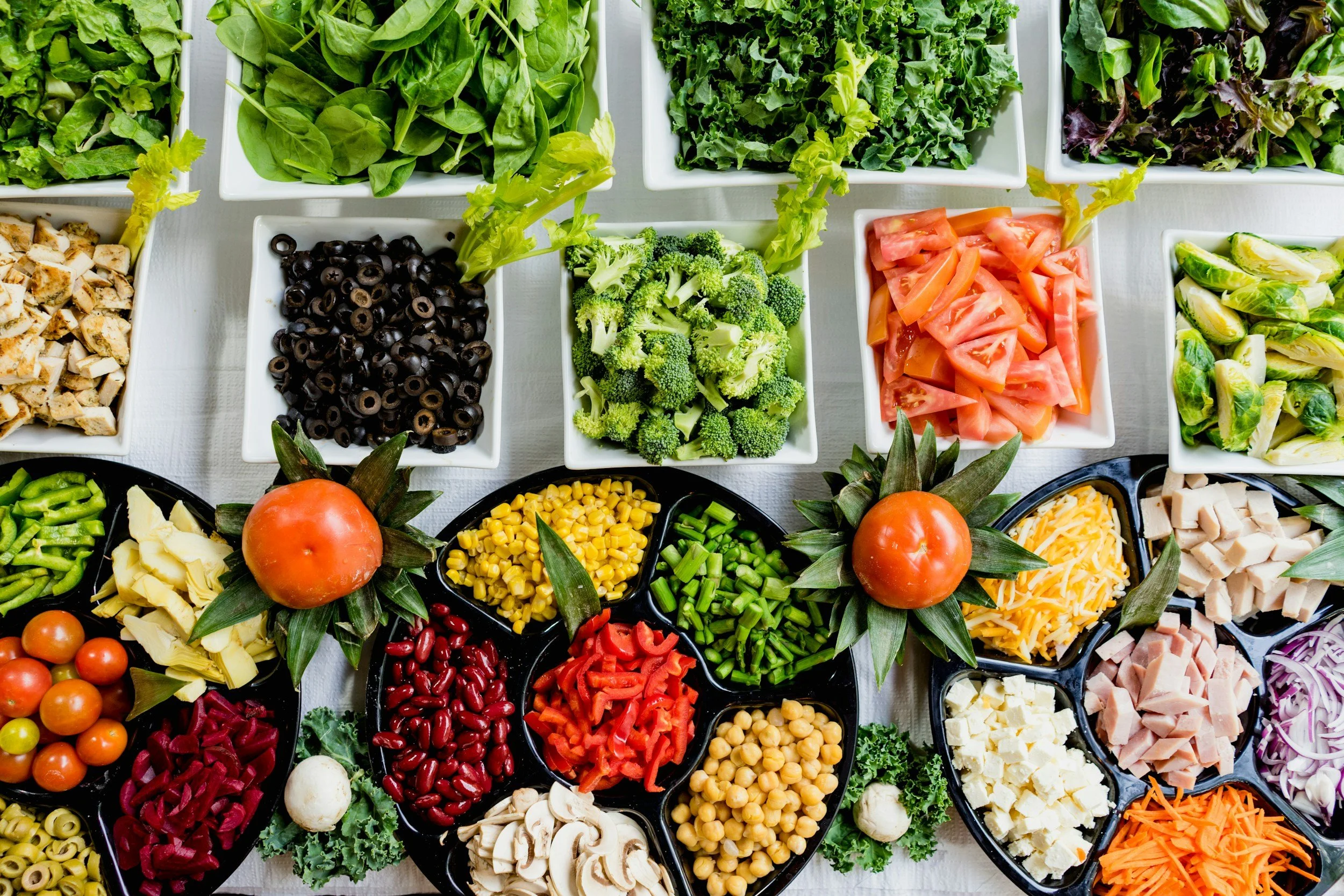
Even if your appetite has decreased while taking a GLP medication, your body still needs high-quality nutrition.
Protein remains one of the most important nutrients for preserving lean muscle and supporting your metabolism during weight loss. Pairing protein with healthy carbohydrates after exercise can also help replenish energy and support muscle recovery.
Hydration is equally important. Even mild dehydration can contribute to fatigue, headaches, constipation, muscle cramps, and decreased exercise performance.
Sleep: Your Secret Weight-Loss Tool
Sleep is one of the most powerful—and often overlooked—tools for supporting long-term weight management.
Quality sleep helps regulate the hormones that influence hunger, recovery, energy, and stress. When you sleep well, you're more likely to make healthier food choices, have the energy to stay active, and recover more effectively from exercise.
If you're looking for additional support in creating a healthy bedtime routine, Thrive Sleep Gummies can be a wonderful addition. When used alongside good sleep habits, they may help promote relaxation and restful sleep, giving your body the opportunity to recover and prepare for the next day.
Look Beyond the Scale
One of the biggest mistakes people make is measuring success by the number on the scale alone.
As your health improves, you may also notice:
More energy throughout the day
Increased strength and endurance
Better-fitting clothes
Improved body composition
Better blood sugar and blood pressure
Improved sleep
Greater confidence and overall well-being
These are all signs that your body is becoming healthier—even if the scale doesn't move every single week.

Consistency Always Wins
There will be days when you miss a workout, eat something outside your plan, or don't sleep as well as you'd like. That's part of life.
The key isn't perfection—it's consistency.
Small, healthy choices made over time create lasting results. Recovery is not taking time away from your progress; it's an essential part of it.
As you continue your journey, remember that nutrition, exercise, recovery, and stress management all work together to support lasting weight loss and better health.
Not medical advice
This blog is for education only and is not medical advice. GLP-1 can interact with medications and medical conditions. Always talk with your licensed clinician before starting or changing a weight loss program—especially if you are pregnant, breastfeeding, managing a chronic condition, or taking prescription medications.
If you want more information or support, book a consultation with us - call 844-662-3288 or book online.