L-Theanine: the “calm focus” amino acid (and what the research really says…)

If you’ve ever wanted to feel more relaxed without feeling dulled, L-theanine is one of the most-loved, most-studied options in the supplement world. It’s gentle, well tolerated for most people, and tends to support a very specific vibe: less mental “edge,” more steady clarity.
And yes—there is research that has compared L-theanine to a benzodiazepine (the medication class that includes Xanax). Let’s unpack what L-theanine is, who it can help, how people commonly dose it, and how to get it through our online Fullscript store with member perks.
What is L-theanine?

Green Tea
L-theanine is an amino acid found naturally in tea leaves (especially green tea). It’s best known for supporting relaxation without heavy sedation—often described as a calm, steady, “I can still think” kind of support.
Mechanistically, studies suggest L-theanine can influence brain activity associated with relaxation (including alpha wave activity) and may support a calmer stress response in some situations. One placebo-controlled crossover study in moderately stressed adults found a single 200 mg dose was associated with changes consistent with a calming response (including frontal alpha power and some stress markers) during an acute stress challenge.
L-theanine vs. Xanax: what studies actually compared
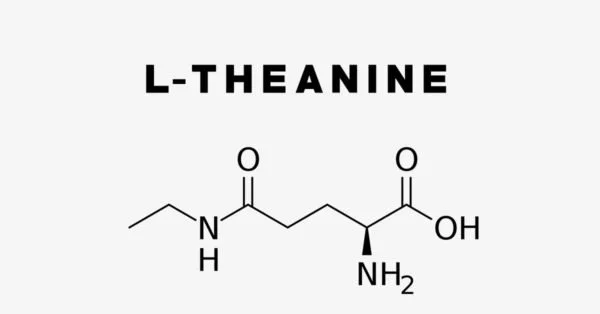
First, an important clarity point:
Xanax (brand name) / alprazolam (generic) is a prescription benzodiazepine medication used for anxiety/panic in specific clinical contexts.
L-theanine is not a benzodiazepine and should never be positioned as a substitute for prescription anxiety treatment.
The head-to-head comparison

A notable human study directly compared L-theanine with alprazolam and placebo, looking at anticipatory anxiety and experimentally induced anxiety.
The results were nuanced: it found some evidence of relaxing effects for L-theanine in a resting/baseline condition, but neither L-theanine nor alprazolam showed significant anxiolytic effects during the experimentally induced anxiety condition in that particular setup.
What that means (in plain English):
L-theanine may be more of a day-to-day nervous system “smoother” for some people, rather than a “panic button” for acute, severe anxiety.
Research comparisons don’t support the idea that it’s “natural Xanax.” It’s a different tool, with a different role.
Who is L-theanine for?
L-theanine can be a fit for all kinds of humans, including:
High performers with busy brains: rumination, mental overdrive, “I can’t turn it off”
People who want calm + focus (not sleepy)
Stress-reactive nervous systems: feeling keyed up, tense, or “wired”
Sleep support (especially if the problem is mental chatter at bedtime)
Midlife hormone transitions (yes, we see this a lot): perimenopause/menopause can amplify stress sensitivity, sleep disruption, and mood variability—L-theanine can be a gentle, non-hormonal support layer alongside foundational hormone and lifestyle work.
Who should be cautious (or ask first)

Because supplements can still interact with medications and health conditions, check with your clinician first if you:
take medications that cause sedation (or meds that affect mood/anxiety)
have low blood pressure or take blood pressure meds (L-theanine may have mild BP-lowering effects in some people)
are pregnant/breastfeeding
are planning surgery, or have complex medical conditions
(And if you’re dealing with severe anxiety, panic, or depression—please loop in a qualified medical/mental health professional. Supplements should be supportive, not your only safety net.)
Suggested dosing: when, why, and how to use it
There isn’t one universal “best” dose, but in studies and in real-world use, 200 mg is a very common starting point.
A simple dosing framework (practical + flexible)
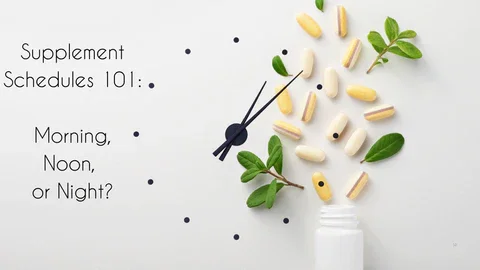
*** We are NOT your Medical Professional, so please consult YOUR medical professional before starting any new supplement plan.
1) For daytime calm focus
Start: 100–200 mg in the morning
Optional: another 100–200 mg early afternoon
Why: supports smoother stress response, calmer focus without feeling dull
2) For evening wind-down / sleep
Try: 200 mg about 30–60 minutes before bed
Why: helpful when sleep issues are driven by a racing mind or “tired but wired” feeling
3) For situational stress (meetings, travel, presentations)
Try: 100–200 mg 30–60 minutes before the event
Note: this is not a substitute for acute anxiety treatment, but some people feel subtly more steady
What to expect
Some people feel it the first day (subtle calm/clarity).
For others, it’s best assessed over 1–2 weeks of consistent use.
If you feel overly relaxed or sleepy, reduce the dose or shift timing.High-Flavonoid Cacao Powder
How to get L-theanine through our Fullscript store (and save)
We carry L-theanine through Fullscript so you can shop trusted brands in one place.
Discounts:
5% off for anyone shopping through our online store
10% off for all Mo Glow members and Hormone Health clients
How to shop:
✨ Click here to access our Favorites page and discover some of our most-loved, practitioner-trusted brands—curated with care.
Button: https://myvitalitycollective.com/our-favorites#ltheanine
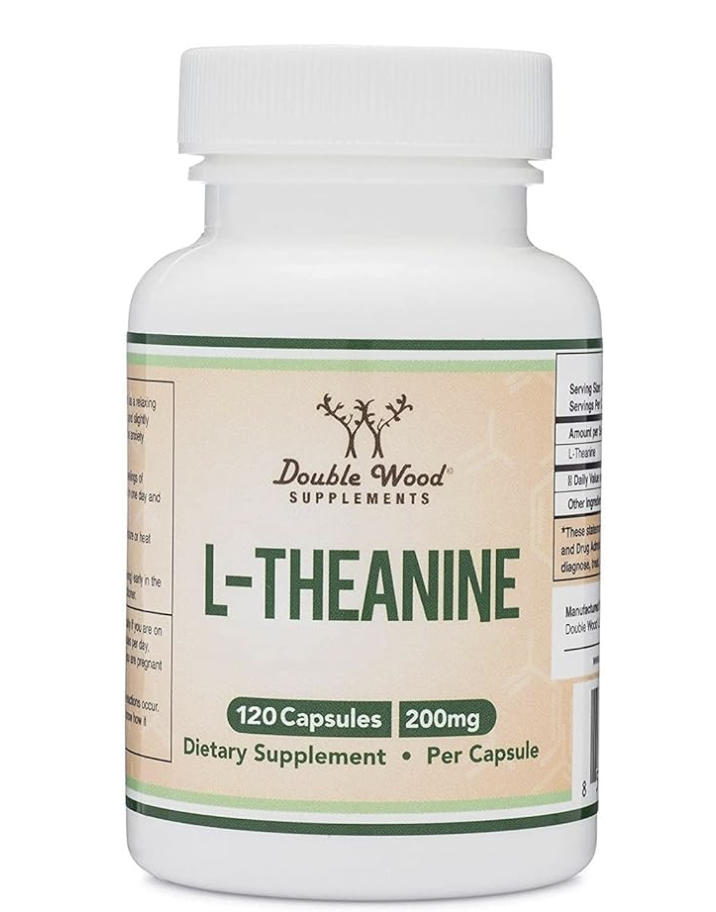
Buy on Amazon
The bottom line

L-theanine is a well-loved, gentle option for people who want calm without the crash—and while it has been studied alongside a benzodiazepine in research, it should not be marketed as “like Xanax.” It’s better framed as a nervous system support tool that can complement good sleep, nutrition, movement, stress hygiene, and (when appropriate) clinically guided hormone support.
Not medical advice
This blog is for education only and is not medical advice. Supplements can interact with medications and medical conditions. Always talk with your licensed clinician before starting or changing a supplement routine—especially if you are pregnant, breastfeeding, managing a chronic condition, or taking prescription medications.
If you want more information or support, book a free 20 minute wellness consultation with us - call 844-662-3288 or book online.