A Better Protein Bar: A Real-Food Recipe for Balanced Energy & Blood Sugar
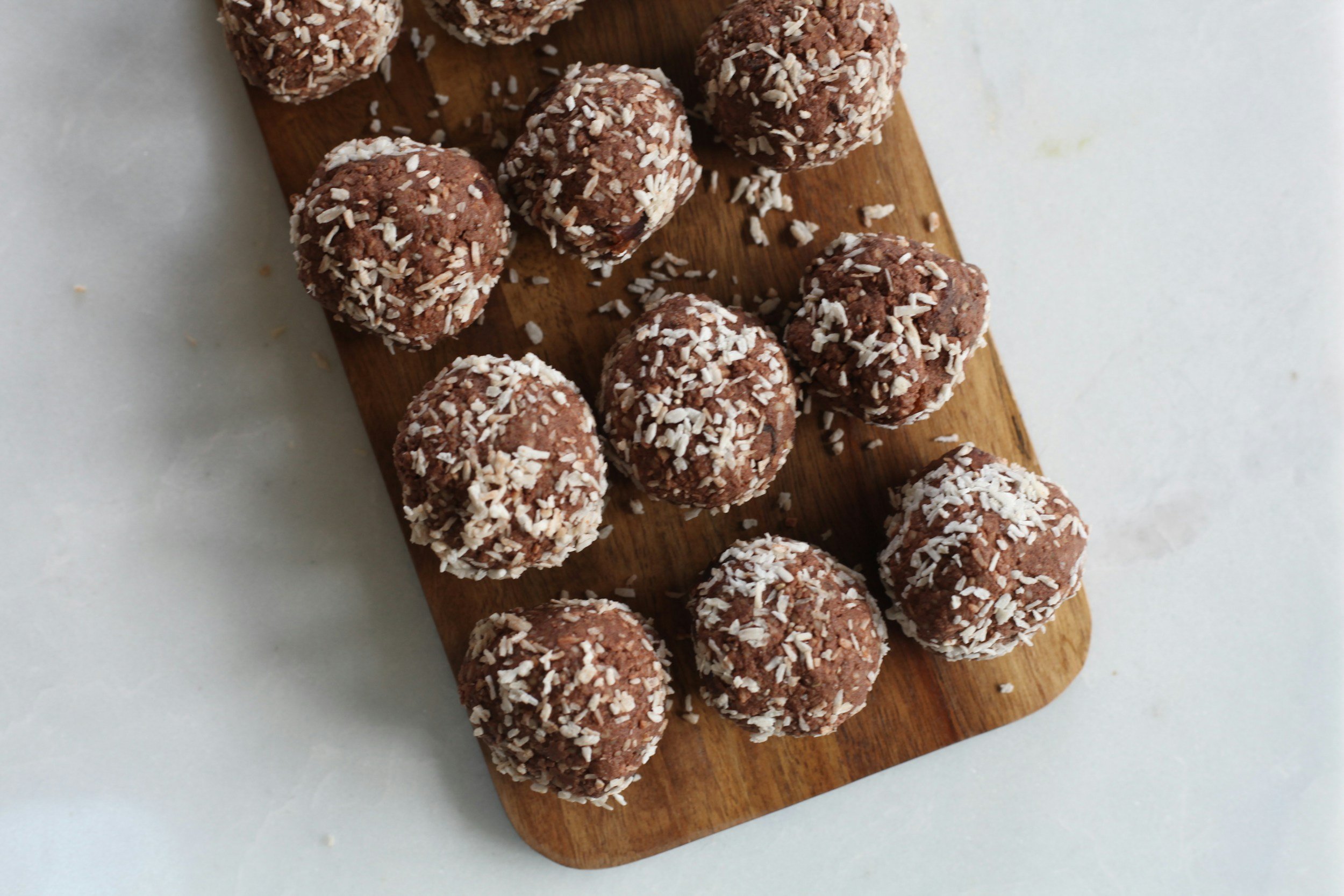
If you’re navigating perimenopause, menopause, or GLP-1 therapy, you may have noticed that your body doesn’t respond the way it used to. Blood sugar balance feels more fragile, maintaining lean muscle mass is harder, and many ultra-processed “health foods” no longer sit well—or support your long-term goals.
At Vitality Collective, we teach clients that metabolic health isn’t about perfection. It’s about quality nutrition, consistency, and nourishing your body with real food that supports blood sugar, appetite regulation, and muscle preservation.
That’s why we often recommend simple, whole-food protein options instead of highly processed protein bars—especially for clients using GLP-1 medications, navigating menopause, or focusing on sustainable metabolic health.
Eat Fewer Processed Protein Bars
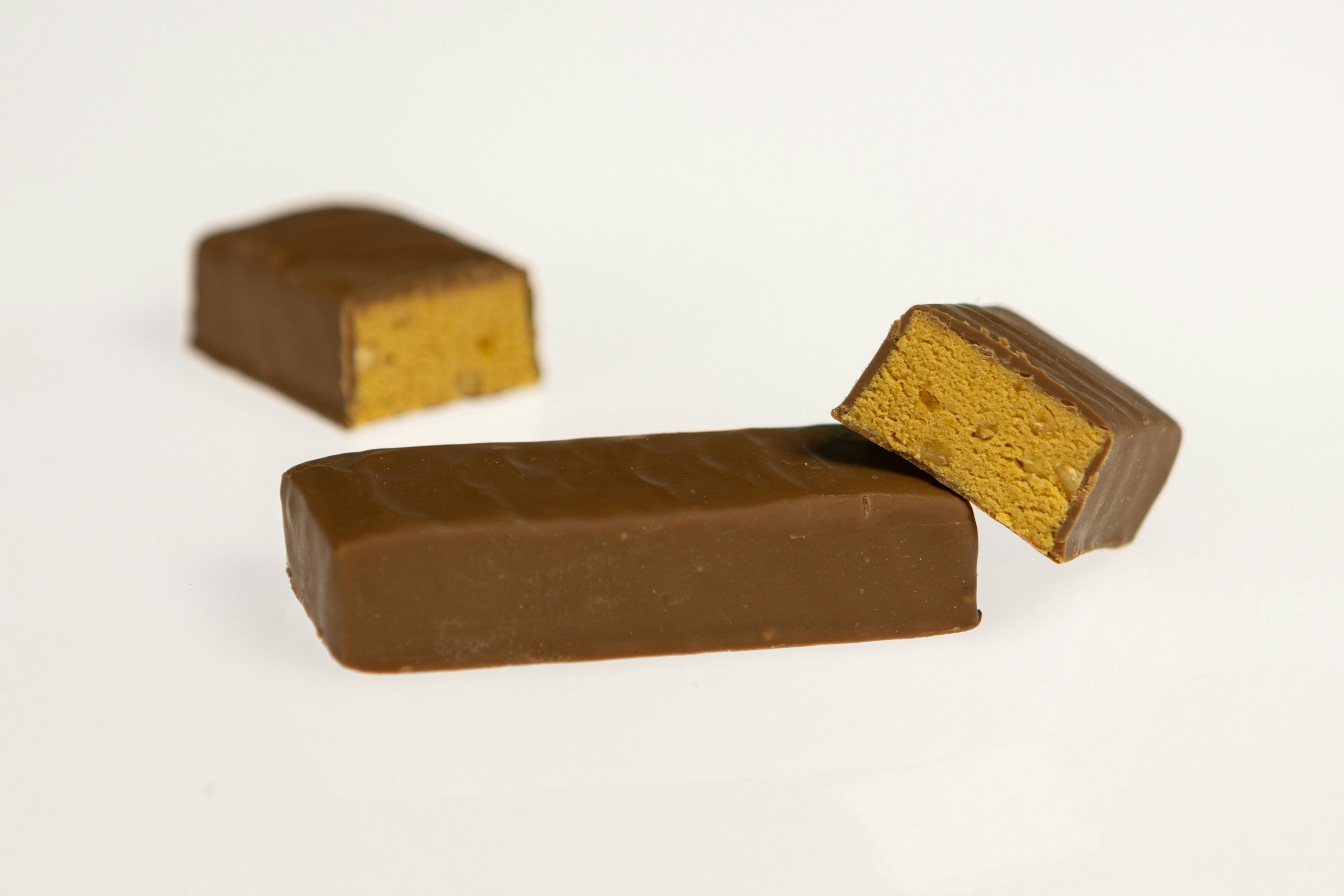
Highly Processed Protein Bars
Many packaged protein bars are marketed as “healthy,” but in reality, they often contain highly processed protein isolates, seed oils and fillers, and artificial sweeteners that can interfere with appetite regulation and blood sugar balance. Many are also low in fiber, which limits satiety and makes them less supportive for metabolic health.
For individuals using GLP-1 medications, these ingredients can contribute to nausea, bloating, or gastrointestinal discomfort, worsen appetite suppression without adequate protein intake, and lead to greater blood sugar variability—the opposite of what we’re aiming for.
For those navigating perimenopause or menopause, frequent reliance on processed protein bars may negatively affect lean muscle preservation, insulin sensitivity, and energy and mood stability, all of which become more vulnerable during midlife.
At Vitality Collective, we emphasize that real, whole foods matter more than ever in midlife. Choosing minimally processed protein sources with fiber and healthy fats better supports satiety, metabolic health, muscle maintenance, and long-term resilience—especially during hormonal and metabolic transitions.
A Whole-Food Protein Option That Supports Metabolic Health
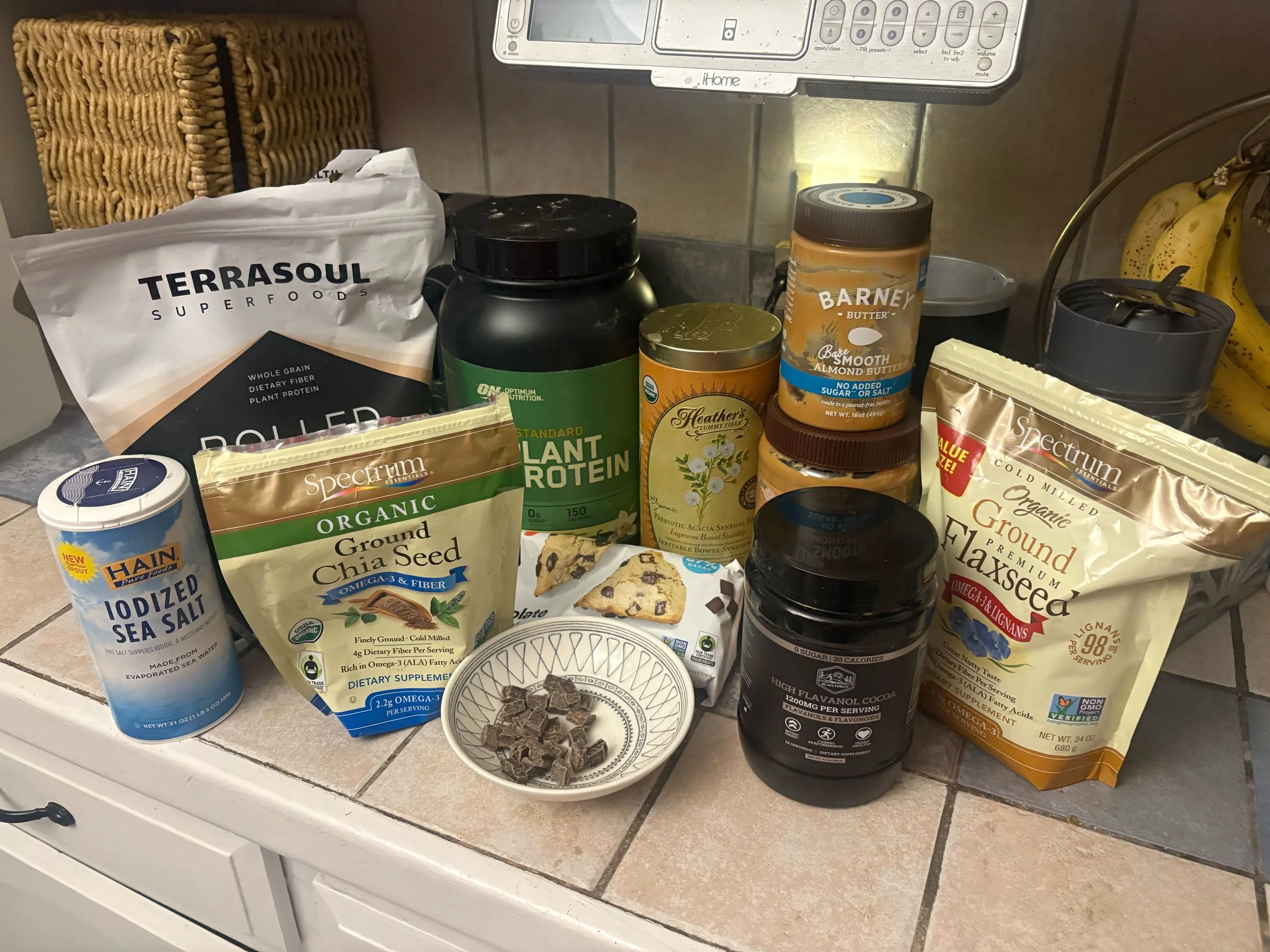
These cacao protein balls are designed to support metabolic health using real, whole-food ingredients, with a focus on satiety without heaviness, blood sugar stability, lean muscle support, and anti-inflammatory nourishment.
They’re not meant to replace meals. Instead, they serve as a strategic protein snack to help bridge nutrition gaps—especially during busy days, low appetite, or periods when adequate protein intake is harder to maintain, such as during GLP-1 therapy, perimenopause, or menopause.
By combining quality protein, fiber, and healthy fats, this recipe supports steady energy, appetite regulation, and muscle preservation without relying on ultra-processed ingredients.
The Recipe: Cacao Protein Balls
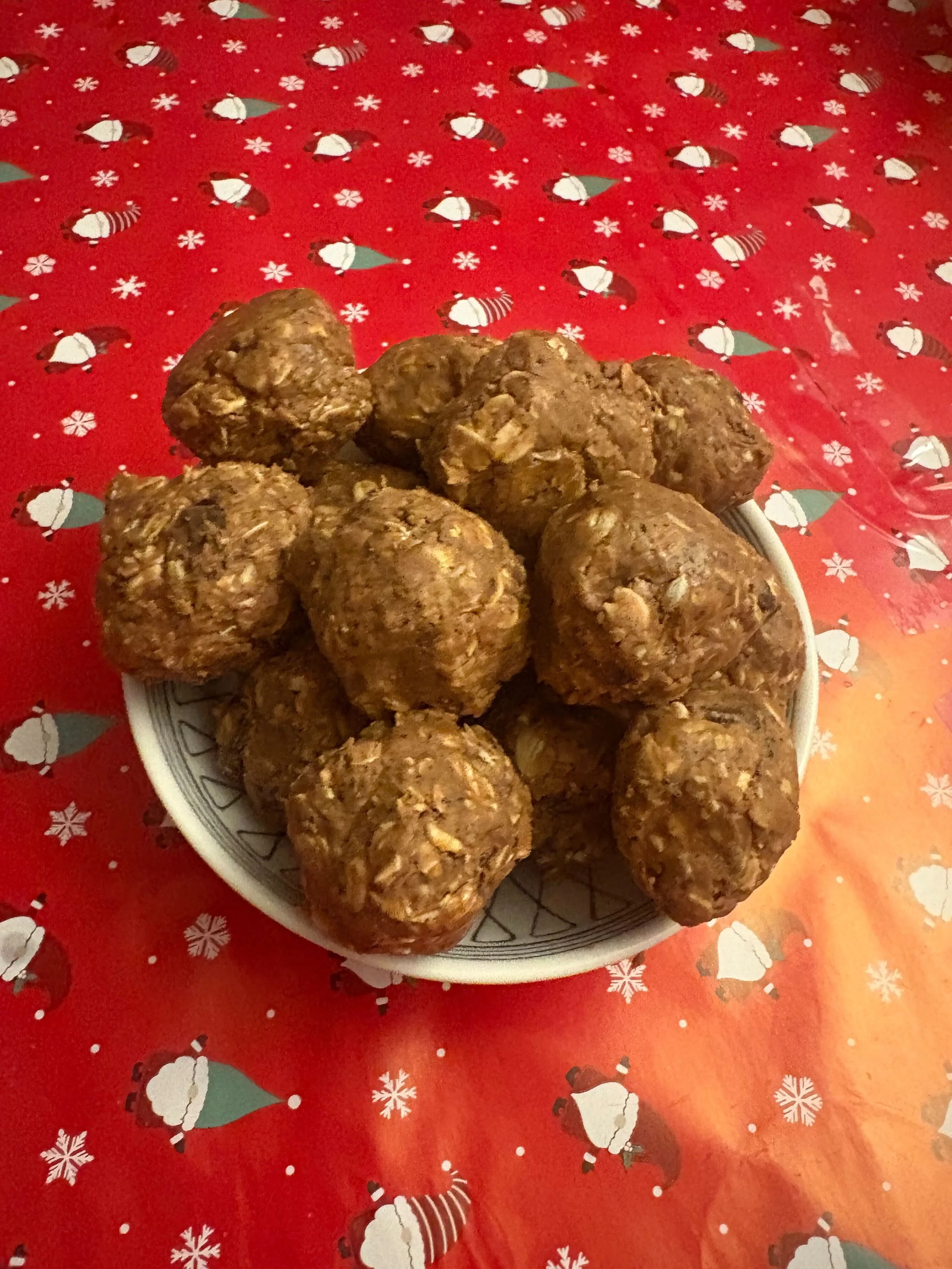
Ingredients (Makes ~12–15 balls)
• 1 cup rolled oats (gluten-free if needed)
• ⅓ cup natural peanut butter or almond butter
• Optional upgrade: fresh-ground nut butter from in-store grinders
• ⅓ cup honey or pure maple syrup
• Lower-calorie option: monk fruit or monk fruit + allulose (to taste)
• ¼ cup chocolate protein powder (whey or plant-based)
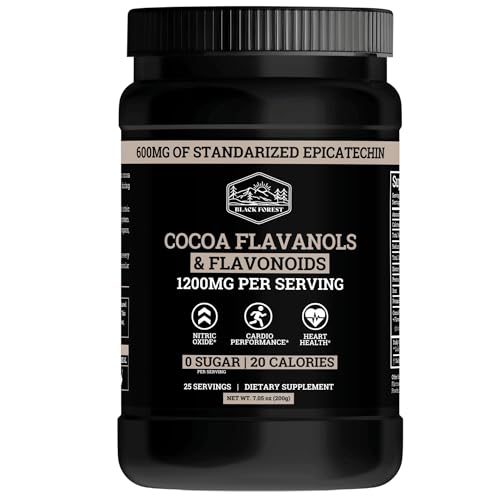
• 2 tbsp high-flavonoid cacao powder
• 1 tbsp chia seeds or ground flaxseed (optional)
• ¼ cup mini dark chocolate chips or cacao nibs (optional)
• 1–2 tbsp unsweetened almond milk (only if needed)
• Pinch of salt
• ½ tsp vanilla extract (optional)
Why Each Ingredient Supports Metabolic Health
Protein Powder


Protein is foundational for lean muscle preservation, which becomes increasingly important during menopause and while using GLP-1 medications. Adequate protein intake helps protect metabolic rate, supports functional strength, and reduces the risk of muscle loss when appetite is lower.
Nut Butter (Peanut or Almond)
Nut butters provide healthy fats that support satiety, stable energy, and normal hormone signaling. Choosing fresh-ground nut butter minimizes additives, improves digestibility, and avoids unnecessary seed oils or fillers often found in packaged products.
Oats + Chia or Flax
This combination delivers soluble fiber, which plays a key role in blood sugar regulation and appetite control. Soluble fiber helps:
Slow glucose absorption
Support gut health
Improve satiety and appetite signaling
This is especially beneficial for GLP-1 clients, who often need gentle, well-tolerated fiber without overwhelming the digestive system.
High-Flavonoid Cacao Powder
This is a key functional upgrade.
High-flavonoid cacao provides potent antioxidants and anti-inflammatory compounds that support endothelial health, metabolic function, and potentially mood and cognitive performance.
Not all cocoa powders are equal. Choosing cacao with preserved flavonoids adds measurable nutritional value beyond flavor alone.
Natural or Low-Impact Sweeteners
Sweetener choice matters for metabolic health.
Honey or maple syrup can work well for active individuals with higher energy demands.
For those prioritizing blood sugar stability or calorie reduction, monk fruit or monk fruit blended with allulose provides sweetness with minimal impact on glucose or insulin.
This flexibility allows the recipe to meet different metabolic needs and goals without compromising taste or function.
How to Make Them
Mix dry ingredients in a bowl
Add nut butter, sweetener, and vanilla
Stir into a thick dough (hands work best)
Add almond milk 1 tablespoon at a time if needed
Roll into tablespoon-sized balls
Chill 15–20 minutes (optional)
Storage
Refrigerator: up to 1 week
Freezer: 2–3 months
Great for meal prep, busy mornings, or low-appetite days.
How to Use These on a GLP-1 or Hormone Program
These whole-food protein balls are best used as a bridge snack, not a meal replacement. They help prevent under-fueling, which is common for individuals using GLP-1 medications, and provide targeted support for lean muscle preservation, steady energy, and metabolic stability during hormone or weight-loss programs.
Because appetite and portion tolerance can be reduced on GLP-1 therapy, pairing smaller, nutrient-dense foods is often more effective than increasing volume alone.
How to Pair for Adequate Protein Intake
For optimal support, pair 1–2 protein balls with one of the following:
Greek yogurt
Cottage cheese
A protein shake or smoothie
This combination helps clients reach the 20–30 grams of protein range—an important threshold for muscle protein synthesis—without causing fullness or gastrointestinal discomfort.
The Takeaway
Wellness doesn’t require perfection—it’s built through consistent, high-quality nutrition choices.
Choosing whole foods over ultra-processed health products supports metabolic health, hormone balance, and long-term resilience, particularly during midlife and hormonal transitions.
At Vitality Collective, we believe that
small upgrades create meaningful change—over time.
If you want more information or support, book a free 20 minute wellness consultation with us - call 844-662-3288 or book online.