

Why HRT? The research, the reading, and real answers.
This is a shared mission for us: give women the information their own doctors often don’t have time to cover.
Below is the research, books, and voices we trust most — so you can walk into any appointment (ours or anyone else’s) more informed.
The FDA removed the black-box warning on estrogen products.
For more than two decades, boxed warnings on menopausal hormone therapy strongly influenced how women and clinicians viewed treatment following the initial findings of the Women’s Health Initiative. Since then, research has helped clarify an important point: age, timing, formulation, route of administration, and an individual woman’s health history all matter.
In 2026, the FDA approved labeling changes removing cardiovascular disease, breast cancer, and probable dementia risk statements from the boxed warning for menopausal hormone therapy products. U.S. Food and Drug Administration (opens in new tab)
Today, leading menopause organizations recognize that for most healthy women experiencing bothersome menopausal symptoms who begin hormone therapy before age 60 or within 10 years of menopause onset, the benefits generally outweigh the risks when treatment is appropriately individualized. The Menopause Society (opens in new tab)
Hormone therapy remains the most effective treatment for menopausal hot flashes and night sweats and is also effective in preventing menopause-related bone loss and reducing fracture risk. ACOG (opens in new tab)
Hormone therapy is not appropriate for every woman. Treatment decisions should consider medical history, personal risk factors, symptoms, treatment goals, dose, formulation, and route of administration.
Every woman deserves access to current, evidence-based information about menopause. Hormone therapy is not appropriate for everyone, but outdated or oversimplified interpretations of older research should not prevent women from having an informed conversation about its potential benefits, risks, and whether it may be appropriate for them.
Suggested Website Disclaimer
**This information is provided for educational purposes only and does not constitute individualized medical advice. Hormone therapy should be considered in consultation with a qualified healthcare professional based on each patient’s symptoms, health history, risk factors, and treatment goals.**
Primary Sources
U.S. Food and Drug Administration — 2026 Menopausal Hormone Therapy Labeling Update
The Menopause Society — 2022 Hormone Therapy Position Statement and current guidance
American College of Obstetricians and Gynecologists (ACOG) — Hormone Therapy for Menopause
MOST EFFECTIVE
Hormone therapy is the most effective treatment for menopausal hot flashes and night sweats.
The Menopause Society and ACOG both recognize systemic hormone therapy as the most effective treatment for vasomotor symptoms. ACOG (opens in new tab)
PROTECTS BONE
Systemic hormone therapy helps prevent menopause-related bone loss and reduces fracture risk.
This is an established indication for menopausal hormone therapy. The Menopause Society (opens in new tab)
TIMING MATTERS
For most healthy symptomatic women younger than 60 or within 10 years of menopause, the benefit-risk profile of hormone therapy is generally favorable.
Age, time since menopause, medical history, formulation, dose, and route of administration all affect individual risk.
Curated Reading
Books we hand our own clients.
Start here if you want to go deeper than a single appointment allows.
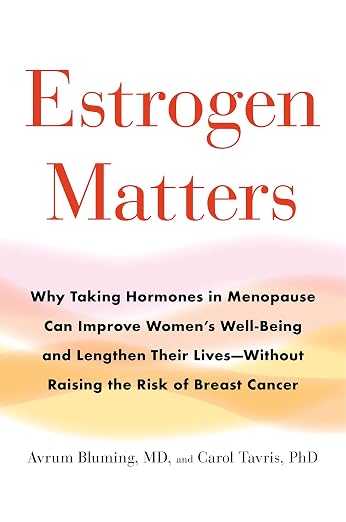
Estrogen Matters
Dr. Avrum Bluming & Carol Tavris. A clear-eyed, research-backed case for reconsidering estrogen therapy after decades of unnecessary fear.
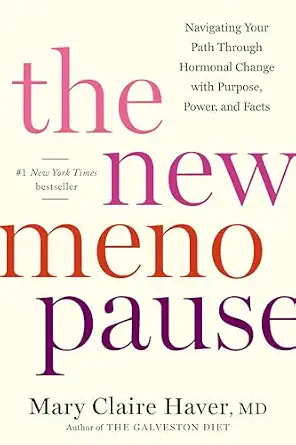
The New Menopause
Dr. Mary Claire Haver. A practical, whole-body guide to navigating perimenopause and menopause with current, evidence-based care.
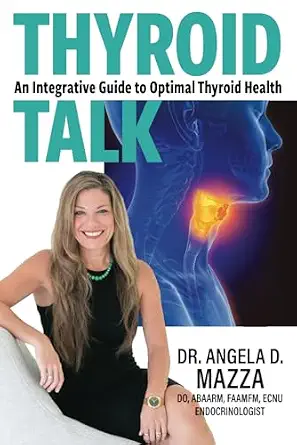
Thyroid Talk
Dr. Angela Mazza. An accessible guide to thyroid health — essential reading, since thyroid and hormone health are so often connected.
Free Download
The Bioidentical Hormone Revolution
Our free ebook by Donna White — a straightforward introduction to bioidentical hormones, what makes them different, and how to know if they’re right for you.
From the Blog
Quick reads on the topics you ask about most.
Heart Health
Cholesterol in Midlife: What Actually Changes
Menopause
Heart Palpitations in Menopause: When to Worry, When Not To
Supplements
Why We Recommend Magnesium to Almost Everyone
Hormone Therapy
Is It Too Late to Start HT After 65?
Sleep & Stress
L-Theanine: The Calm-Without-Sedation Supplement
Podcasts We Love
Keep learning between appointments.
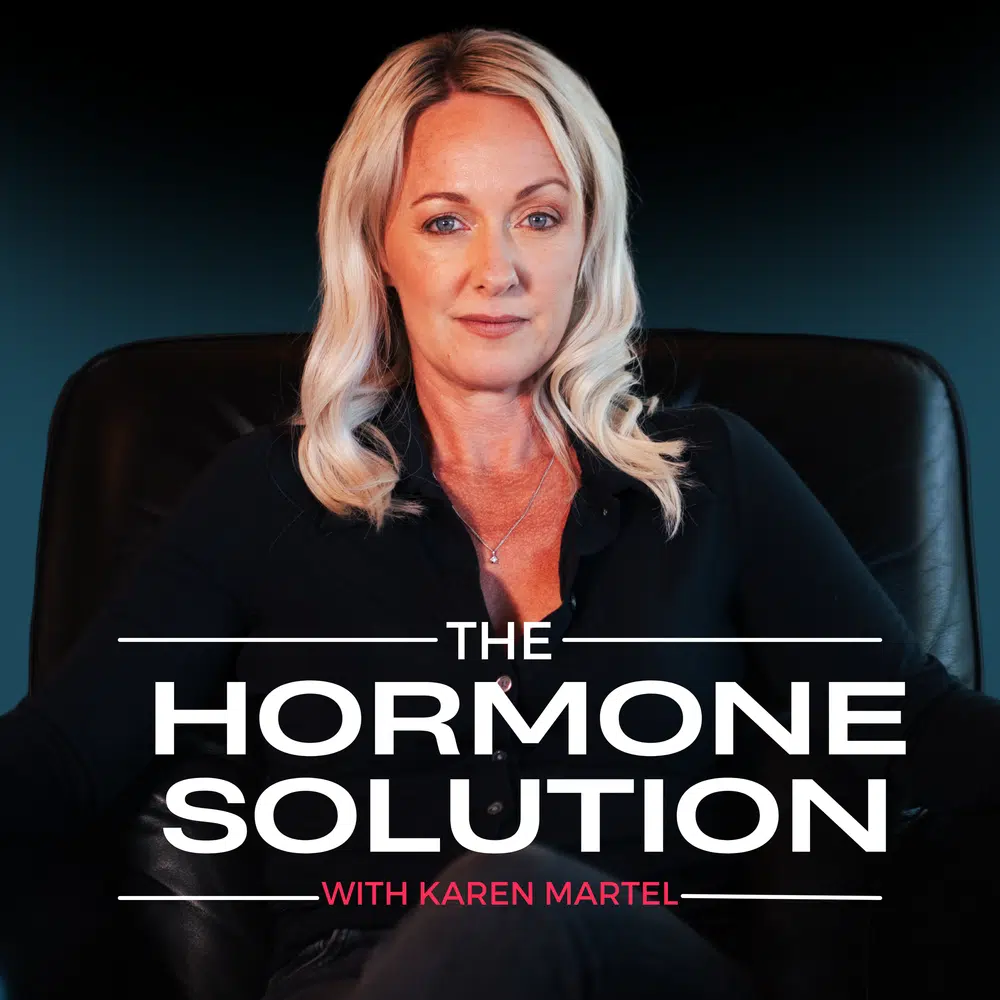
The Hormone Solution with Karen Martel
practical, no-nonsense conversations on hormone health and menopause.
The Great Estrogen Debate with Dr. Felice Gersh, Dr. Daved Rosensweet, Dr. Lindsey Berkson, Dr. Julie Taguchi & Karen Martel
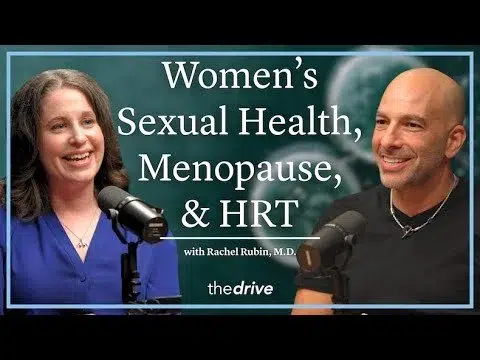
The Drive Dr. Peter Attia
two episodes we recommend for a deeper dive into longevity and hormone science.
Women’s sexual health, menopause, and hormone replacement therapy (HRT) | Rachel Rubin, M.D.
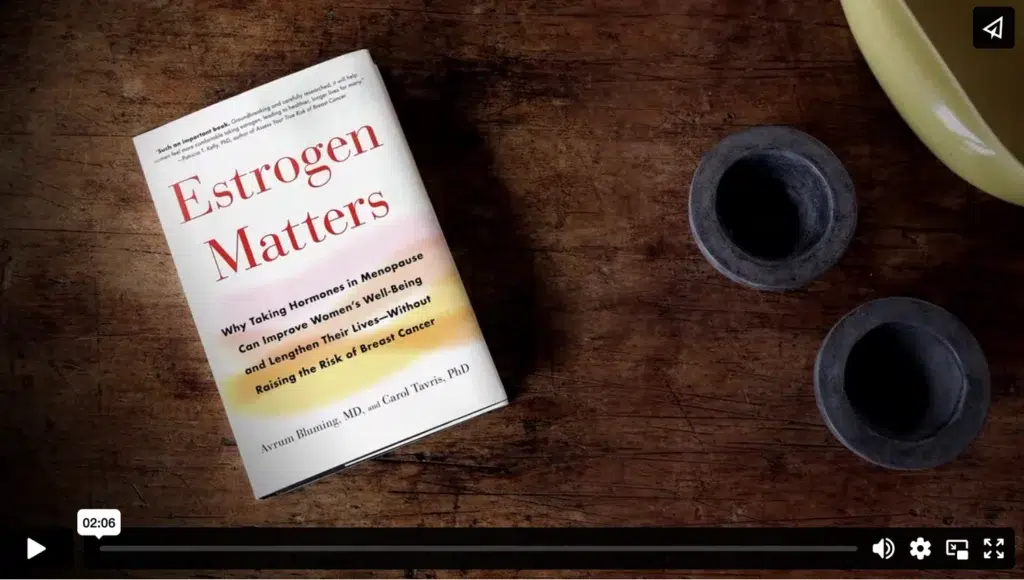
The Drive Dr. Peter Attia
Avrum Bluming, M.D. and Carol Tavris, Ph.D.: A compelling case for hormone replacement therapy
We’re Here to Help
Whole-body midlife wellness, beyond just hormones.
Cholesterol, blood pressure, weight, sleep, mood — we look at the full picture, including where statins or GLP-1 medications may or may not fit into your plan. Ready to talk it through?
Disclaimer: This page is educational and does not replace personalized medical advice. Talk to your care team about what’s right for you.